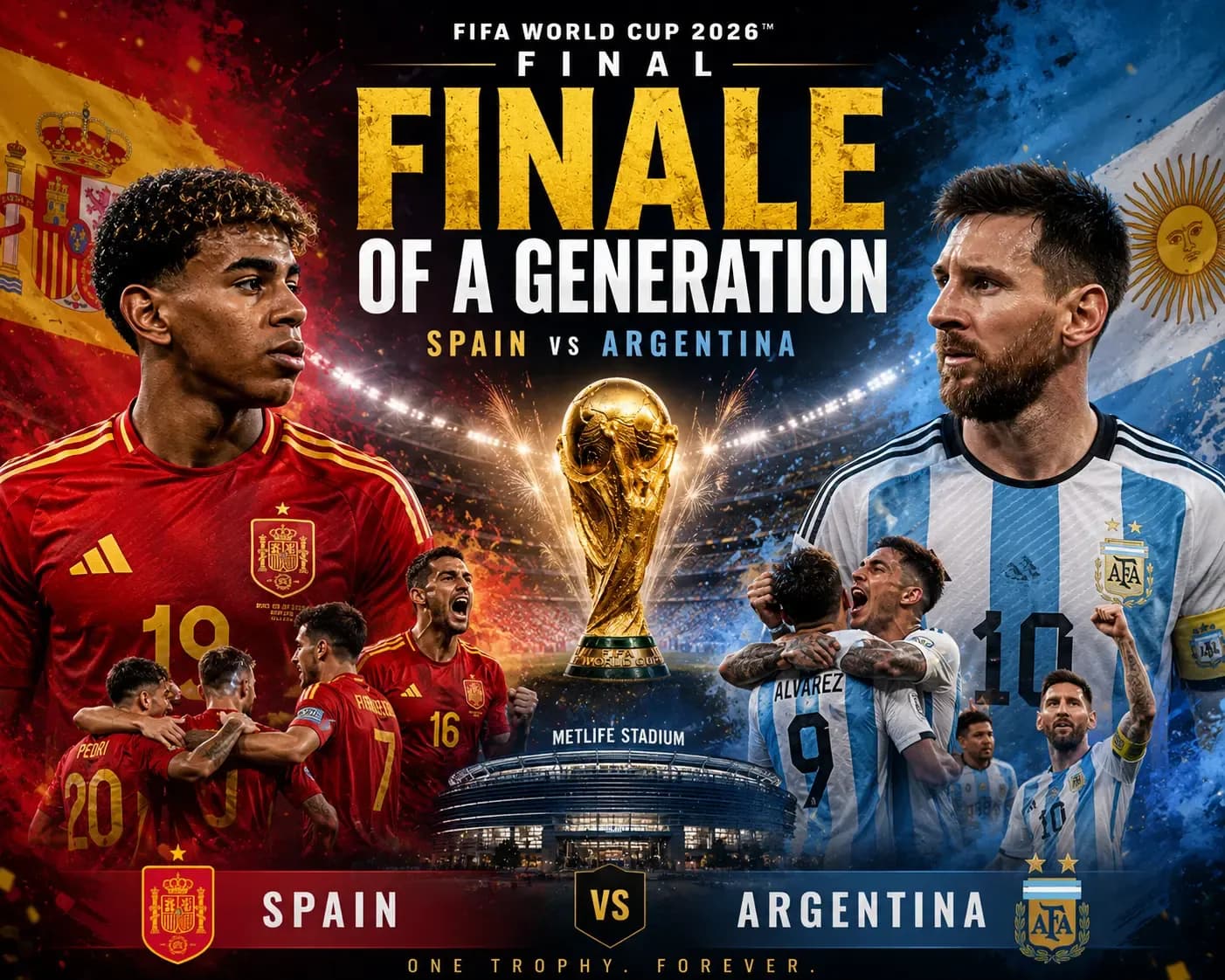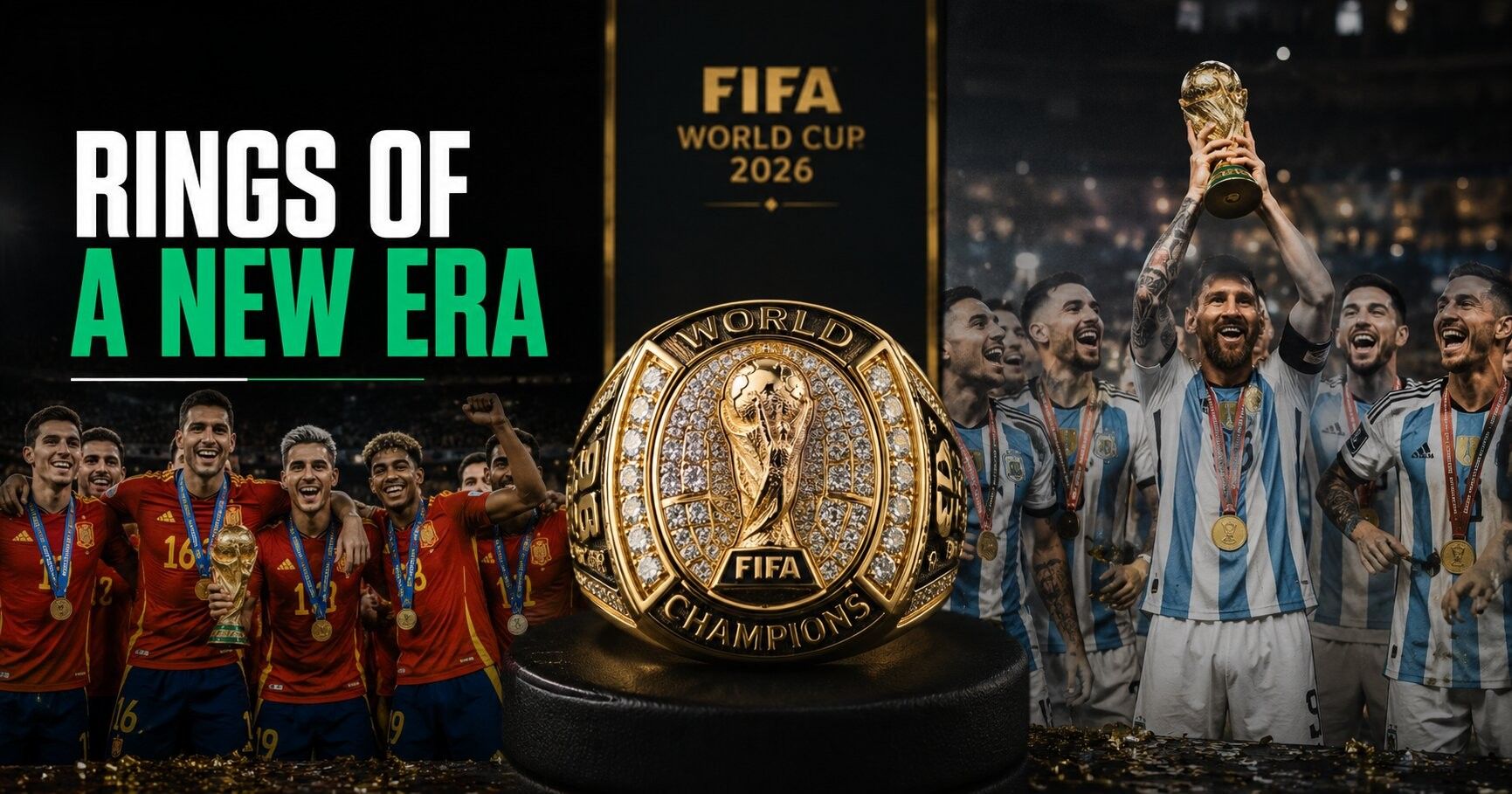
For the first time in the tournament's history, a World Cup winner will leave the pitch with more than a trophy lift and a gold medal. Following the final between Spain and Argentina at MetLife Stadium on July 19, 2026, FIFA will introduce championship rings — an element borrowed from American professional sports and integrated into the oldest institution in global football.
This addition to the trophy presentation is significant. It represents a deliberate structural decision, and the numbers behind it tell their own story.
The Ring Allocation & Distribution Matrix
| Allocation Tier | Quantity | Target Recipients | Customization Level |
|---|---|---|---|
| Winners' Circle | 30 Rings | Champion players and coaching staff | Maximum (custom-fitted, named, team colors) |
| Global Fan Market | 1,996 Rings | Global collectors via official licensing | Moderate (individually numbered, inner band engraving) |
| Total Production | 2,026 Rings | Direct historical tribute to the 2026 cycle | Certificate of authenticity included |
The distribution is illuminating. Thirty rings will go to the tournament winners, while nearly two thousand will be available to fans — a strategy designed to generate revenue long after the final whistle.
How the Presentation Will Actually Work
Each ring will feature a miniature engraving of the World Cup trophy on one face, with the reverse left blank for the winning nation's colors and identity. During the on-pitch celebration, the winning captain and head coach will receive temporary symbolic rings, intended for broadcast cameras rather than permanent wear. The finished, custom-fitted gold versions will be delivered later, once measurements and engraving details are finalized. This two-stage rollout mirrors the championship ceremonies of American leagues.
This sequencing is not without purpose. NFL, NBA, and MLB rings are not handed over mid-celebration by coincidence; the temporary rings exist solely to fill the broadcast window until the actual objects are produced. FIFA's adoption of this protocol suggests a wholesale import of American sports marketing into a competition that has resisted such changes for nearly a century.
Why a Ring Travels Where a Medal Doesn't
Medals, by design, often end up framed, stored, or quietly handed down within families. A ring, however, is different — it remains visible on a hand during interviews, sponsorship appearances, and post-retirement public engagements. In an era where athlete visibility is a form of currency, FIFA has effectively created a piece of hardware designed for ongoing exposure rather than a single ceremonial moment.
This shift is particularly impactful given the profiles of the competitors. Lionel Messi, at 39, and Lamine Yamal, at 19, embody opposite ends of the same generational spectrum. The player who lifts the trophy on Sunday will become the first in the sport's history to wear a World Cup ring — a distinction without precedent and uncertain cultural currency in football compared to American sports.
The Commercial Layer FIFA Isn't Fully Explaining
The 1,996 rings aimed at fans reveal a more openly commercial strategy. Numbered editions, engraved bands, and authentication certificates are standard practices in the collectibles market — a departure from traditional football practices. FIFA has not disclosed the retail price for these pieces or named the jewelry house responsible for their production, leaving the complete financial picture unclear.
What is evident, however, is the intent. The future of these rings — whether they become a permanent fixture in World Cup cycles or a one-off experiment associated with the tournament's expansion — will depend on the response from collectors and football traditionalists alike once the first rings are officially released.
Support The Football Matrix on Google Search
Add us as a preferred source to highlight our transfer & injury intelligence in your search results.
☕ Keep The Matrix Running
The Football Matrix is independent — no ads, no paywalls, no corporate sponsors. If our coverage adds value to your matchday, consider buying us a coffee. It goes directly toward hosting, infrastructure, and keeping the editorial free for everyone.
Discussion (0)
Loading comments...